
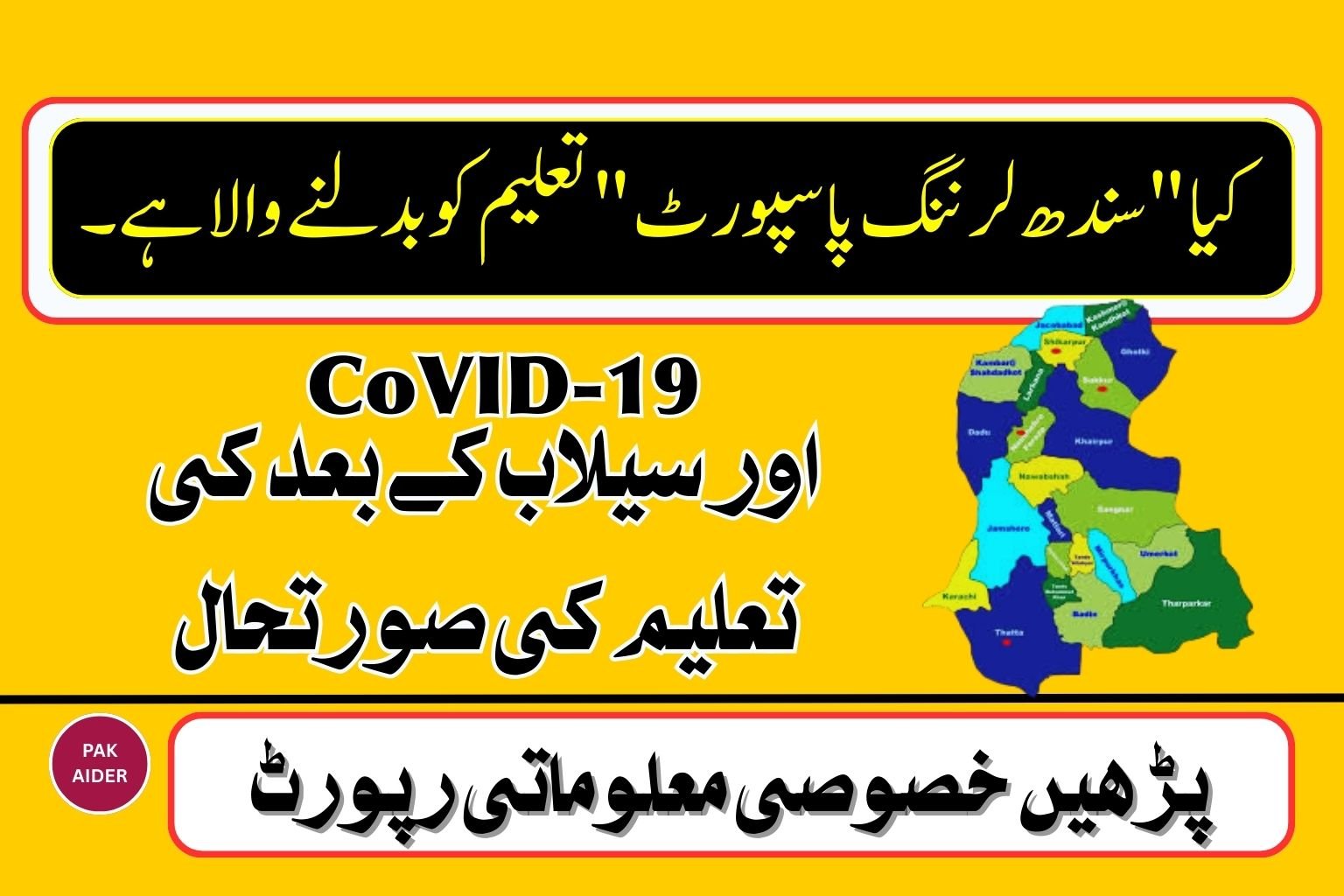
Have you ever heard the sound of a dream being unlocked? It’s not a loud noise. It’s the quiet tap of a finger on a tablet. It’s the focused silence of a classroom where every student is engaged. It’s the confident voice of a 14-year-old girl in Karachi saying, “I am going to be a banker.”
This is the sound of the Sindh Learning Passport, and it’s changing lives.
In the neighborhoods of North Nazimabad and Azizabad in Karachi, something remarkable is happening. The laughter echoing from schoolyards carries a new weight—it’s the sound of hope and possibility. Here, young girls aren’t just attending school; they are building futures they once only dreamed of, using a revolutionary digital education platform.
This is the story of how crisis sparked innovation, how technology is bridging deep divides, and how 7,000 students in Sindh are being handed the keys to their own potential.
Table of Contents
What is the Sindh Learning Passport? Your Digital Ticket to Learning
Imagine if every child, no matter where they lived or what obstacles they faced, could carry a world of knowledge in their hands. That’s the vision behind the Sindh Learning Passport.
Born from twin crises—the COVID-19 pandemic and the devastating 2022 floods—this initiative is a powerful partnership between UNICEF Pakistan and the Sindh School Education & Literacy Department. When schools shut down and communities were displaced, the need for a resilient, accessible learning system became urgent.
The Learning Passport answered that call. It’s not just an app or a website; it’s a complete digital learning ecosystem. Its curriculum, carefully aligned with local needs, covers core subjects like Mathematics, Science, and Social Studies, ensuring students don’t just keep up, but genuinely understand and thrive.
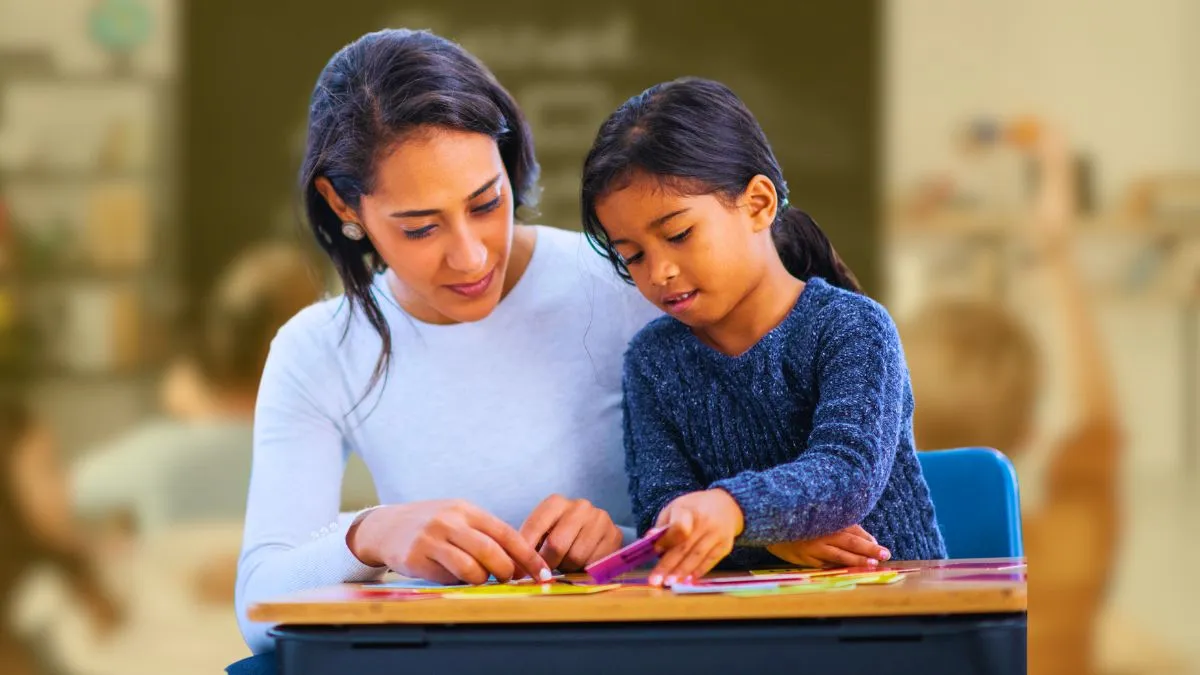
The Learning Passport at a Glance
| Aspect | Details |
|---|---|
| Launched By | UNICEF & Government of Sindh |
| Primary Goal | Provide continuous, quality digital education to marginalized children |
| Key Subjects | Math, Science, Social Studies |
| Current Reach | 7,000+ students across 30 schools |
| Locations | Karachi, Hyderabad, Sukkur, Jamshoro |
| Remarkable Focus | 90% of participating schools are for girls |
| Technology Used | Tablets with pre-loaded, interactive learning modules |
This table tells a story of targeted, intentional change. But the real story is in the classrooms.
Why This Matters: The Silent Crisis in Girls’ Education
To understand the impact, you must first understand the problem. In Sindh, the path to education for girls is full of roadblocks.
After primary school, the journey often ends. Secondary schools for girls are scarce, especially in rural and low-income urban areas. The reasons are a tangled web of challenges:
- Distance: Schools are often too far from home.
- Safety: Parents fear for their daughters’ security during long commutes.
- Social Norms: Deep-rooted traditions sometimes prioritize early marriage over continued education.
- Poverty: Families may need children, especially girls, to contribute at home.
The result? A heartbreaking drop-off. While boys have relatively better access, millions of girls in Sindh see their educational journey cut short. This isn’t just a lost opportunity for them; it’s a lost opportunity for entire communities. Dropping out perpetuates a cycle of poverty, limits life choices, and silences potential.
The Sindh Learning Passport is strategically designed to break this cycle. It targets the most vulnerable—children who are out of school or at risk of dropping out. By bringing a world-class digital classroom to them, it removes the barriers of distance, infrastructure, and even tradition.
A Day Inside the Digital Classroom: Where Magic Happens
Forget dry statistics. Step into an 8th-grade classroom in Azizabad. The air hums not with noise, but with purpose.
See the Focus: Girls are hunched over tablets, their brows furrowed in concentration as they solve a complex math problem. A hint of a smile appears when they get it right—a small, private victory.
Feel the Discovery: In another corner, a group explores a science video about the solar system. Their eyes widen. “I never knew that!” one whispers. This is the joy of discovery, made vivid and immediate.
Witness the Confidence: For many, this is their first time holding a tablet. Yet, there’s no hesitation. They swipe, tap, and navigate with a digital native’s ease. If a concept is tricky, they simply rewind the video. They lean over to help a classmate. This isn’t just learning; it’s building confidence and collaborative spirit.
Of course, it’s not all perfect. When 30 tablets play videos at once, the room gets noisy. A teacher mentions the need for simple headphones—a small tool that would make a world of difference for focus. Another dreams of LED screens to complement the individual tablets, allowing for group lessons.
But the most important observation? The technology isn’t replacing the teacher. It’s empowering them. Teachers become guides and mentors, freed from just lecturing, now able to give individual attention where it’s needed most. The Sindh Learning Passport is a tool, and these educators are the masters wielding it to shape minds.
Voices of the Future: “I Can Be Anything”
The true measure of this program isn’t in test scores alone (though those are being carefully tracked). It’s in the eyes and voices of the students.
Meet Vaniya, 14. With a confident smile, she shares her dream: “I want to be a banker, like my older sister, or maybe a government officer.” Her words aren’t a childish fantasy; they are a plan.
Meet Mariam, 13, the class monitor. Her ambition burns bright: “I am determined to become a lawyer.” She speaks with a clarity that defies her age and her circumstances.
Listen to them. You will hear no “I wish.” You will hear “I will.”
This shift is everything. Education is no longer just about memorizing textbooks for an exam. It has become about expanding the realm of possibility. It’s about telling a girl in Sindh that her life is not limited by her zip code or her gender. That if given the tools and the chance, she can build any future she chooses.
The Learning Passport is that chance. It is quite literally a passport—a document that grants you access to new worlds. For these girls, it’s granting access to a world of self-belief.
Measuring Success & The Road Ahead
UNICEF and the Sindh government are rigorously assessing the program’s impact. Seventh-grade students have already participated in baseline assessments. At the end of the academic year, they will be evaluated again to measure learning progress.
The goal? To build an evidence-based case for expansion.
The vision is to move beyond 30 schools. To scale this model so that every child in Sindh who needs it can hold this “passport.” The plan is to integrate it deeper, providing more teacher training, better hardware like headphones and screens, and expanding the curriculum.
The Ripple Effect: More Than Just Grades
The impact of the Sindh Learning Passport extends far beyond report cards. It creates a ripple effect:
- For the Girl: She gains confidence, digital literacy, and hope. She is less likely to be pushed into early marriage.
- For the Family: An educated girl translates into better health, economic choices, and educated.
- For the Community: It challenges and slowly changes restrictive social norms about gender and potential.
- For Pakistan: It builds a more skilled, confident, and inclusive generation ready to contribute to the nation’s future.
Conclusion: Not Just a Platform, But a Promise
Leaving those schools in Karachi, you don’t just carry the memory of smiling faces. You carry the echo of declared dreams. You carry the image of fingers touching screens that light up minds.
The Sindh Learning Passport is more than a digital platform. It is a lifeline. It is a statement of belief in every child’s potential. In a world often darkened by crises, it is a tangible point of light.
These girls are not waiting for the future. With every lesson completed, every problem solved, every new concept understood, they are building it. And that is the most powerful lesson of all.
The story of the Sindh Learning Passport is still being written, one student, one tap, one dream at a time. And its next chapter could—and should—be read by millions more.
Thank you Urdupoint.com
Frequently Asked Questions (FAQs) on Sindh Learning Passport
Q1: Is the Sindh Learning Passport just for girls?
A: While an incredible 90% of the current participating schools are girls’ schools, the platform itself is designed for all children who are educationally marginalized. The focus on girls addresses a critical gap in Sindh, but the tool is for everyone.
Q2: Can students use it at home?
A: Currently, the program is primarily implemented in schools through tablets. However, the nature of digital learning opens the door for future expansion to community centers or even home-based learning, depending on infrastructure and connectivity.
Q3: Does this mean teachers are no longer needed?
A: Absolutely not! Teachers are more crucial than ever. The platform is a powerful aid that handles content delivery, allowing teachers to focus on personalized instruction, mentorship, and fostering critical thinking—the things technology cannot do.
Q4: What about areas with no internet?
A: This is a key design feature. The tablets are pre-loaded with all the learning content. No continuous internet connection is needed, making it perfect for areas with poor or no connectivity.
Q5: How can other schools or regions get this program?
A: Expansion depends on funding, partnerships, and the results of the ongoing evaluation. The success of this pilot is meant to demonstrate a model that government and development partners can invest in scaling across the province and the country.
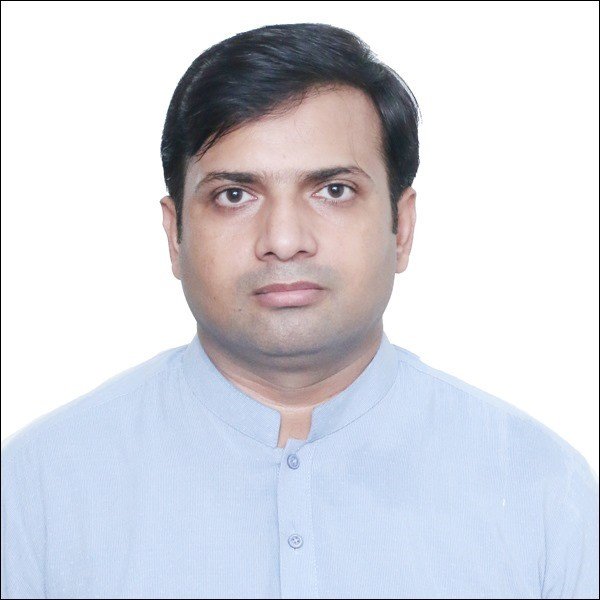
Israr Ahmed is a technology educator and creator behind the YouTube channel “Israr Ahmed Technical,” where he shares practical IT, networking, cybersecurity, and software tutorials. He also runs DriveInTech.com and PakAider.pk to help learners and professionals grow in the digital world.